BI Launches CSA Biochar Book
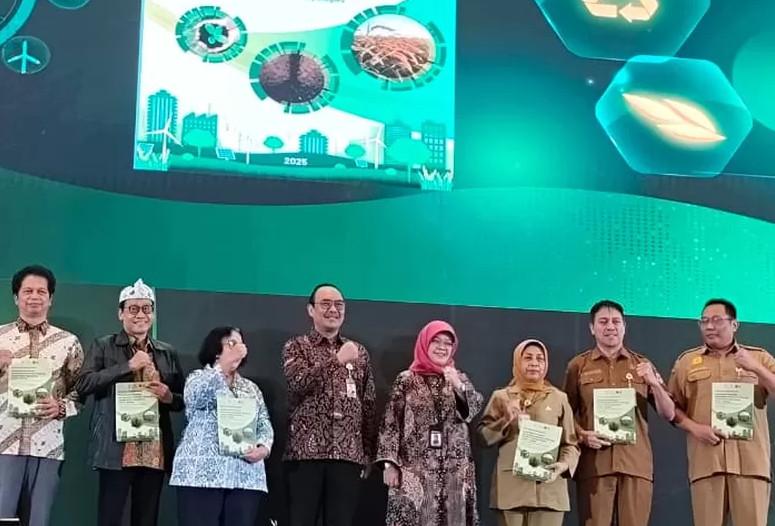
Semarang, Monday (9/2/2026) — Bank Indonesia together with the Coordinating Ministry for Food, Ministry of Agriculture, and Diponegoro University (Undip) officially launched the Guidebook for Implementing a Sustainable Agricultural Business Model Based on Climate Smart Agriculture (CSA) Biochar Technology on Monday, February 9 2026. The launch of this guidebook was carried out in a hybrid manner, as well as being an important momentum in efforts to strengthen national food security and encourage agriculture that is more adaptive to climate change. This event, which was held virtually, received attention from various stakeholders, including representatives of central and regional governments, academics, agricultural business actors, and institutions supporting sustainable agricultural development.
Cross-Sector Synergy for Agricultural Transformation
In his remarks, Bank Indonesia representatives emphasized the importance of innovative approaches in facing various challenges in the agricultural sector, including climate change, land degradation and resource limitations. According to him, this guidebook is not only a theoretical document but is a practical guide to be applied in the field by the government, business actors and farming communities.
“Agricultural transformation towards a more sustainable model is an urgent need in the current era of climate change. Biochar-based Climate Smart Agriculture technology offers an approach that can increase productivity in a sustainable manner while maintaining environmental health,” said the BI representative in his presentation of the material. The Coordinating Ministry for Food added that synergy between agencies is the main key so that this innovation can be implemented effectively in various regions. Considering Indonesia's position which is still facing a number of challenges in achieving strong food security amidst ASEAN competition, collaboration between the public and private sectors is considered strategic to face these conditions.
The Role of the Ministry of Agriculture and Academics
The Ministry of Agriculture also appreciates the preparation of these guidelines as one of the results of cross-stakeholder collaboration which is important in accelerating the adoption of agricultural technology. According to the ministry, biochar technology helps improve the quality of degraded soil, increases the efficiency of using agricultural inputs such as fertilizer and water, and supports the long-term productivity of crops such as rice.
Diponegoro University, as one of the contributors to research and scientific studies, also explained that this guideline is based on in-depth studies regarding sustainable agricultural practices that are adaptive to climatic conditions and the practical needs of actors in the field. Academics hope that this guideline will become a reference that continues to develop in accordance with the dynamics of the needs of the national agricultural sector.
Biochar as a Leading Technology
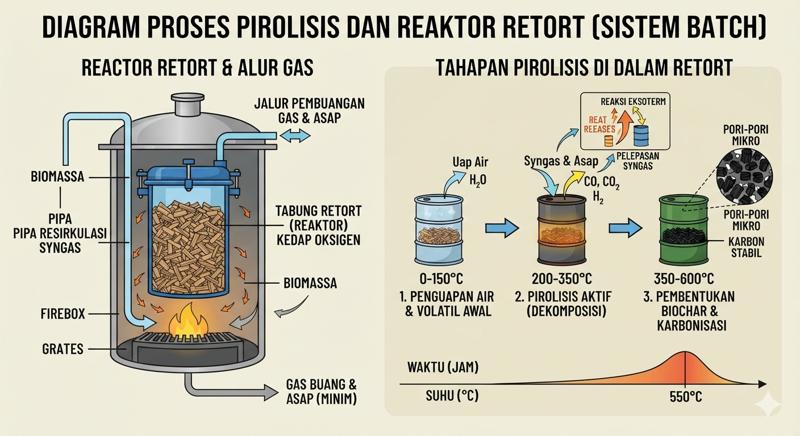
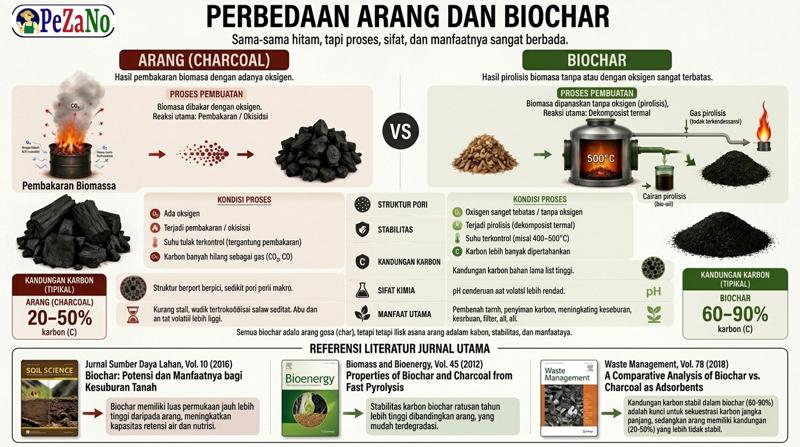
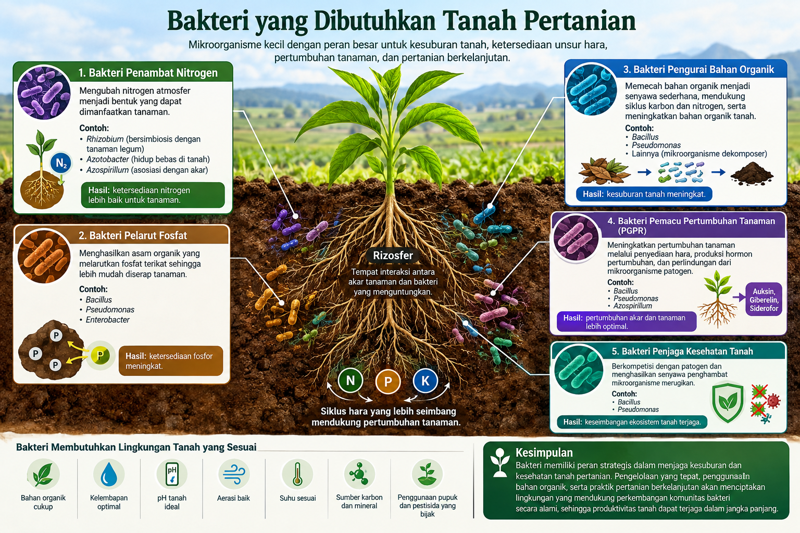
Biochar, a carbon-rich solid material resulting from the pyrolysis of organic biomass waste such as rice husks or plant fibers, acts as an effective soil amendment in improving soil structure, increasing water holding capacity, and providing a better microenvironment for plants.This technology also has great potential in storing carbon in the soil, thereby helping reduce greenhouse gas emissions which are the drivers of climate change.
In addition, biochar is believed to be able to increase the efficiency of fertilizer use and reduce farmers' production costs because its availability can be sourced from local agricultural waste. This approach is in line with the spirit of sustainable agriculture, where environmental, social and economic balance is the main basis.
Strengthening Food Security and Farmers' Welfare
The launch of this guidebook is one of the strategic steps in efforts to strengthen national food security. Through a sustainable agricultural approach and the use of technology that is adaptive to climate change, it is hoped that the productivity of superior commodities such as rice can increase significantly without sacrificing ecological sustainability.
The Deputy of Bank Indonesia for Central Java Province also emphasized that this region has an important role as a national food barn, so that support for the adoption of CSA Biochar will be a real contribution in supporting Asta Cita, namely efforts to achieve food self-sufficiency and national economic resilience. Business actors such as the Pezano Farmers Group also welcome the presence of these guidelines as a tool to evaluate and design business models that support sustainable agricultural innovation. According to him, the clarity of the guidelines opens up opportunities for more business actors to be actively involved in an agricultural ecosystem that is adaptive, efficient and economically profitable.
Encouraging Adoption and Implementation in the Field
With this guidebook, related parties hope that the adoption of CSA Biochar technology can be expanded gradually, starting from a number of pilot locations that have shown positive results. It is hoped that proper implementation can strengthen local food security, improve farmers' welfare, and support the goals of more sustainable and inclusive agricultural development.
Overall, the launch of Guidelines for Implementing a Sustainable Agricultural Business Model Based on CSA Biochar Technology on February 9 2026 is an important milestone for the transformation of Indonesia's agricultural sector, which combines technological innovation, cross-sector synergy, and a shared commitment towards a more productive and sustainable agricultural future.