Biochar and Food Security in Drought Prone Areas
Introduction
Food security is an important issue in various regions, especially in drought-prone areas. Erratic rainfall, soil that dries out quickly, and land degradation make food production vulnerable. One innovative solution that is starting to be implemented is the use of biochar. This technology is not only environmentally friendly, but has also been proven to improve soil quality and support food security in difficult areas.
Benefits of Biochar for Drought Areas
-
Retains Water Longer
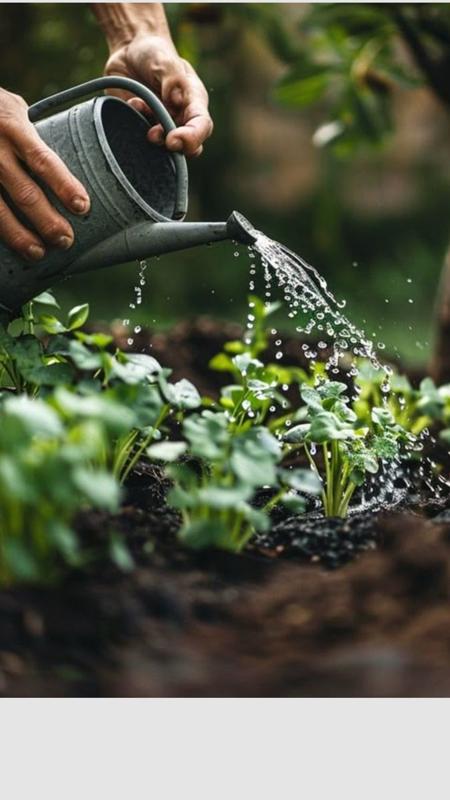
Soil in dry areas tends to lose moisture quickly, so plants often experience drought stress. Biochar has a unique pore structure so it can store water for longer. With this ability, plants still get an adequate water supply, even during prolonged dry seasons. As a result, the risk of crop failure can be minimized, so that food availability is maintained. -
Improving Soil Fertility
One of the challenges in drought areas is nutrient-poor soil. Biochar is able to store nutrients such as nitrogen, phosphorus and potassium, so that these nutrients are not easily lost due to erosion or leaching by sporadic rain. Stable nutrition helps plants grow healthier and more productive, even on land that was previously less fertile. -
Encourages the Activity of Soil Microorganisms
Healthy soil requires active microorganism life. Biochar provides an ideal habitat for beneficial microbes, which play a role in the natural process of decomposition and nutrient release. With more vibrant soil, plant productivity increases, and dependence on chemical fertilizers can be reduced. -
Reduces Soil Erosion
Dry areas often experience strong winds or sporadic rain that causes erosion. Biochar helps improve soil structure, making it denser and resistant to erosion. With stable soil, agriculture can continue without losing the fertile soil layer.
Example of Application of Biochar
In several regions in Indonesia, biochar has been used to increase food security. For example, in East Nusa Tenggara, farmers add biochar from rice husk waste to corn and sweet potato fields. The results show an increase in productivity even though the long dry season occurred.
In the African region, applying biochar to cassava and corn plants on dry land helps retain soil moisture longer and reduces the use of chemical fertilizers. This approach not only increases crop yields, but also provides an economic alternative through the production of biochar from local waste.
Food Independence Strategy with Biochar
The use of biochar can be part of a broader food independence strategy:
-
Use of Local Waste: Agricultural waste such as corn stalks, rice husks, or fruit peels can be converted into biochar. In this way, farmers use their own resources without having to buy expensive fertilizer.
-
Crop Rotation and Application of Biochar: Combining biochar with a crop rotation system helps maintain soil fertility in the long term.
-
Farmer Education and Training: Providing training on how to make and apply biochar increases the adoption of this technology among local farmers, so that food security can be achieved in a sustainable manner.
Conclusion
Biochar is an effective solution to increase food security in drought-prone areas. With the ability to retain water, store nutrients, and improve soil structure, biochar helps farmers remain productive even when facing extreme conditions. The application of biochar also encourages food independence because farmers can process their own waste into useful materials. Investing in biochar means investing in food security, farmer welfare and environmental sustainability.