Biochar to Improve Traditional Local Food
Introduction
Traditional local foods such as cassava, corn, sweet potatoes and various tubers have an important role in maintaining Indonesia's food security. Apart from its high nutritional value, this plant is easy to adapt to local soil conditions and local climate. However, local food production is often hampered by declining soil fertility, excessive use of chemical fertilizers, and unpredictable climate change.
One of the innovative solutions to increase local food productivity is biochar. By utilizing agricultural waste and local biomass, biochar can improve soil quality, retain water, store nutrients, and increase the activity of microorganisms. This not only supports plant growth, but also helps farmers maintain and increase traditional local food production.
Benefits of Biochar for Traditional Local Food
-
Improving Soil Structure
Many traditional agricultural lands have begun to lose fertility due to excessive use of chemical fertilizers or soil degradation. Biochar helps loosen the soil, improves aeration, and retains moisture. With looser soil, the roots of local plants such as cassava, corn or sweet potatoes can grow deeper, absorbing water and nutrients more efficiently. -
Increases Nutrient and Water Retention
Traditional local crops are often grown on nutrient-poor soil. Biochar has the ability to store important nutrients such as nitrogen, phosphorus and potassium, so that nutrients remain available to plants during the growing season. In addition, biochar retains water longer, helping plants survive dry seasons or when rain is patchy. -
Supports the Activity of Soil Microorganisms
Biochar provides a habitat for beneficial microorganisms, such as nitrogen-fixing bacteria and mycorrhizal fungi. These microorganisms help the decomposition process of organic material, accelerate the release of nutrients, and maintain the balance of the soil ecosystem. More biologically active soil will increase the growth and resilience of traditional local plants. -
Reducing Dependence on Chemical Fertilizers
With biochar, the soil becomes more fertile naturally. Farmers can reduce the use of chemical fertilizers, reduce production costs, and maintain soil quality in the long term. This is in line with the principles of sustainable agriculture and maintaining the sustainability of local food.
-
Cassava and Sweet Potatoes in West Java:
Farmers add biochar from palm oil waste and cassava peel to their fields. The soil becomes more fertile, the tubers grow bigger, and the harvest increases by 20–30% compared to land without biochar. -
Corn in East Nusa Tenggara:
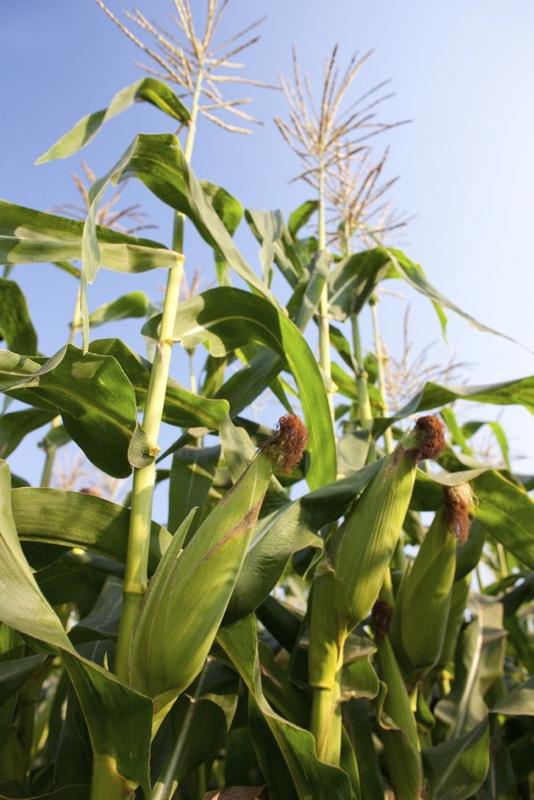
Biochar is made from rice husks and harvested corn stalks. Once mixed into the field, corn yields increase, even during long dry seasons. The nutrients stored in biochar help corn survive even when rainfall is low. -
Tubers in South Sulawesi:
Local plants such as taro and local potatoes are given a mixture of biochar and compost. Looser soil improves tuber quality, stronger roots, and more stable production throughout the growing season.
-
Local Waste Utilization:
Use agricultural waste such as corn husks, rice husks, sweet potato stems, and dry leaves to make biochar. This makes biochar cheaper, environmentally friendly, and easy to apply on local land. -
Timely Application:
Biochar is most effective mixed into the soil before planting or together with organic fertilization. A mixture of biochar and compost provides the best results for local plants. -
Farmer Training:
Farmer education regarding the manufacture, processing, and use of biochar increases adoption of this technology. Farmers who understand the benefits of biochar tend to apply it more consistently on their land. -
Combination with Sustainable Agricultural Systems:
Integrate biochar with crop rotation, use of organic fertilizer, and soil conservation. This maintains long-term productivity while supporting the sustainability of traditional local food.
Biochar is an important tool to increase traditional local food production. By improving soil structure, retaining water, storing nutrients, and supporting microbial activity, biochar makes local plants more productive and resilient to challenging environmental conditions.
The application of biochar not only increases crop yields, but also encourages sustainable agriculture, reduces dependence on chemical fertilizers, and maintains the sustainability of local food for future generations. With the right strategy, biochar can be the key to food independence based on traditional local plants, while strengthening the economy of local farmers.