Benefits of Biochar for Plants, Livestock and the Environment
Benefits of Biochar for Plants, Livestock and the Environment
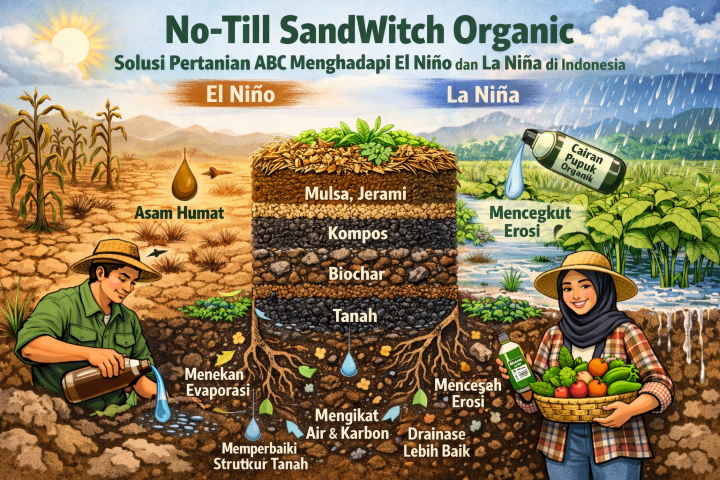
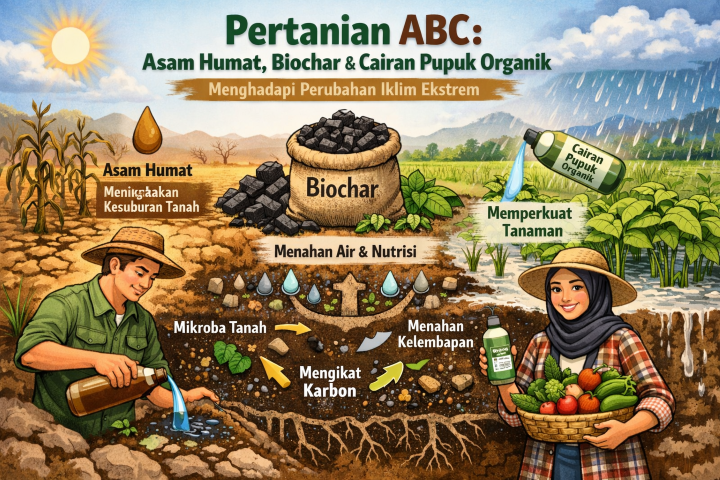
In recent years, biochar has become increasingly recognized as an environmentally friendly innovation that has many benefits. This product is not only useful for reducing unpleasant odors, but also helps increase soil fertility, supports livestock health, and maintains environmental quality.
What is Biochar?
Biochar is biological charcoal which is produced from burning organic materials such as rice husks, coconut shells, straw, or wood through a pyrolysis process (combustion at high temperatures with little or no oxygen). The result is highly porous charcoal which has the ability to absorb water, nutrients, gases and dangerous substances.
Benefits of Biochar for Plants
-
Improving Soil Fertility
The porous structure of biochar makes the soil better able to store water and nutrients. This helps plants grow healthier and more fertile. -
Reducing Dependence on Chemical Fertilizers
Biochar is able to retain nutrients in the soil so that they are not quickly washed away by rainwater, so that the fertilizer applied is more efficient and not wasteful. -
Supports Soil Microorganisms
Biochar pores become a home for good microbes that are beneficial for soil fertility. -
Suitable for Marginal Land
On nutrient-poor or dry soil, biochar can improve soil quality and plant productivity.
Benefits of Biochar for Livestock
-
Reduces Cage Odors
If biochar is placed in a container and hung or placed around the cage, it can absorb the smell of ammonia from livestock manure. -
Improving Livestock Health
Biochar mixed into feed (at certain doses) can help animal digestion, reduce disease, and suppress the production of smelly gas in feces. -
Maintaining a Clean Livestock Environment
The cage environment becomes more comfortable for livestock and breeders because the smell is reduced and the waste decomposes more quickly.
Benefits of Biochar for the Environment
-
Organic Waste Management
Biochar can be used in composting to speed up decomposition, reduce odors and reduce greenhouse gas emissions. -
Water Filtration
Biochar is able to absorb dangerous substances, bacteria and heavy metals in water. In a simple way, biochar can be used as a clean water filter medium. -
Better Air Quality
With its absorption properties, biochar helps reduce odor pollution and harmful gases in the air. -
Carbon Sequestration
Biochar can store carbon for a long time, thereby helping reduce the impact of climate change.
Conclusion
Biochar is not just charcoal, but a simple innovation with extraordinary benefits. For plants, biochar increases fertility and fertilizer efficiency. For livestock, it suppresses barn odors and supports animal health.Meanwhile for the environment, biochar plays a role in waste management, water filtration, and climate change mitigation.
With these various advantages, biochar is worthy of being a sustainable solution for agriculture, animal husbandry and everyday life.