Building Sustainable Agriculture for Indonesia's Future
Agriculture is an important sector which is the backbone of the economy in Indonesia. Apart from providing food needs for the community, this sector also absorbs a lot of labor and contributes to state income. However, the challenges facing the world of agriculture today are increasingly complex, ranging from climate change, limited land, to the low interest of the younger generation in entering this field.
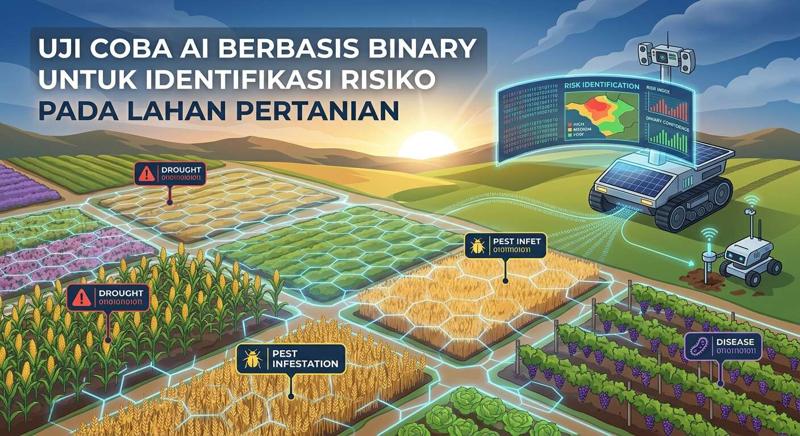
One solution to face these challenges is to apply the concept of sustainable agriculture. Sustainable agriculture emphasizes the wise use of natural resources, maintaining ecosystem balance, and increasing productivity without damaging the environment. Examples include the use of organic fertilizer, natural pest control, and crop rotation to maintain soil fertility.
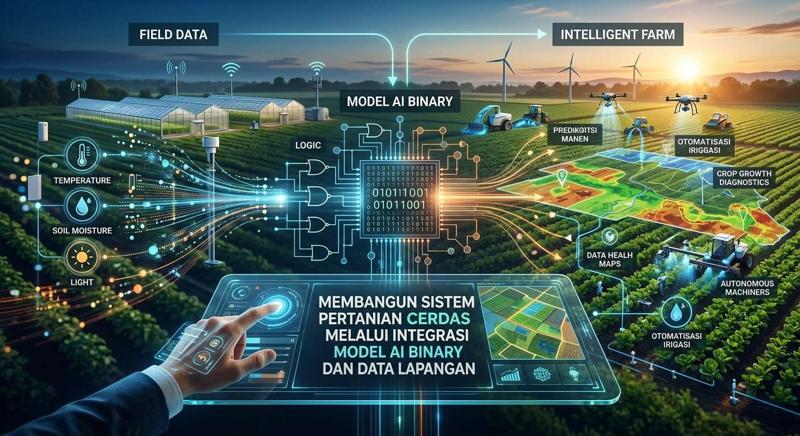
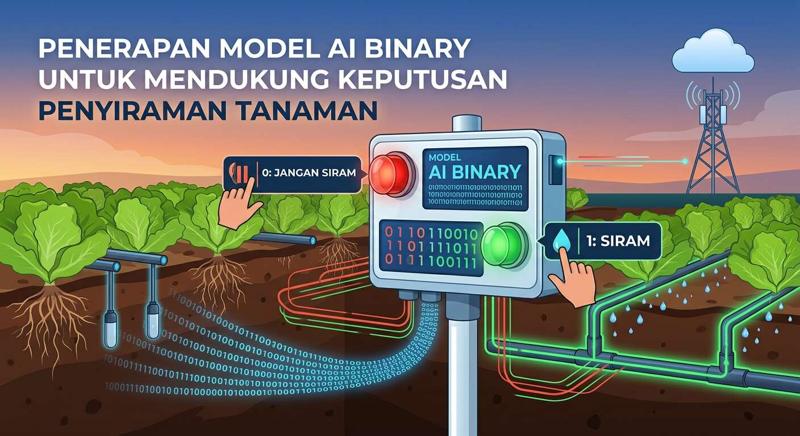
Apart from that, the use of technology is also the key to increasing efficiency and production results. Technology such as modern irrigation systems, the use of drones for land monitoring, and digital applications for marketing agricultural products can help farmers work more effectively. With this innovation, it is hoped that harvest results will be more optimal and able to compete in the global market.
The role of government and society is also very important in supporting the progress of the agricultural sector. Training programs, outreach, as well as access to capital and markets need to continue to be improved. The younger generation also needs to be encouraged to see agriculture as a promising business opportunity, not just a traditional job.
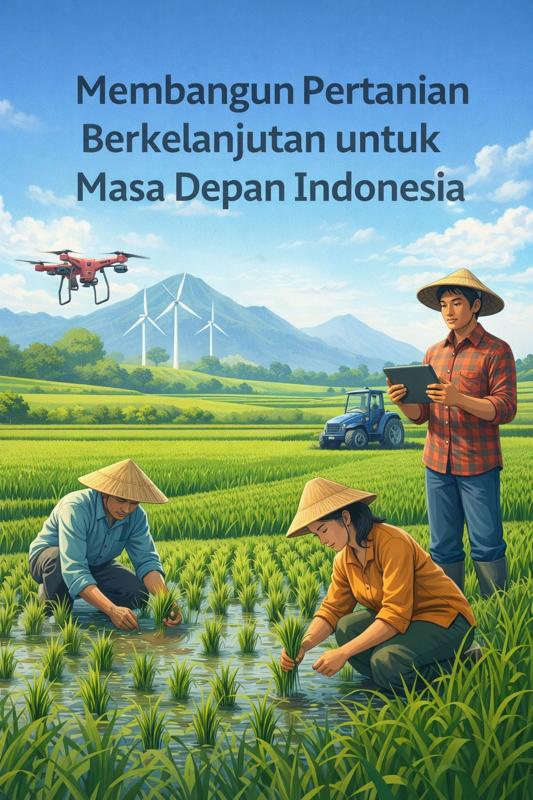
With collaboration between technology, appropriate policies and public awareness, Indonesian agriculture can develop to become more advanced and sustainable. This not only guarantees national food security, but also creates prosperity for farmers throughout the country.
Agriculture is an important sector which is the backbone of the economy in Indonesia. Apart from providing food needs for the community, this sector also absorbs a lot of labor and contributes to state income. However, the challenges facing the world of agriculture today are increasingly complex, ranging from climate change, limited land, to the low interest of the younger generation in entering this field.
One solution to face these challenges is to apply the concept of sustainable agriculture. Sustainable agriculture emphasizes the wise use of natural resources, maintaining ecosystem balance, and increasing productivity without damaging the environment. Examples include the use of organic fertilizer, natural pest control, and crop rotation to maintain soil fertility.
Apart from that, the use of technology is also the key to increasing efficiency and production results. Technology such as modern irrigation systems, the use of drones for land monitoring, and digital applications for marketing agricultural products can help farmers work more effectively. With this innovation, it is hoped that harvest results will be more optimal and able to compete in the global market.
The role of government and society is also very important in supporting the progress of the agricultural sector. Training programs, outreach, as well as access to capital and markets need to continue to be improved. The younger generation also needs to be encouraged to see agriculture as a promising business opportunity, not just a traditional job.
With collaboration between technology, appropriate policies and public awareness, Indonesian agriculture can develop to become more advanced and sustainable. This not only guarantees national food security, but also creates prosperity for farmers throughout the country.