Why is Biochar able to improve soil conditions?
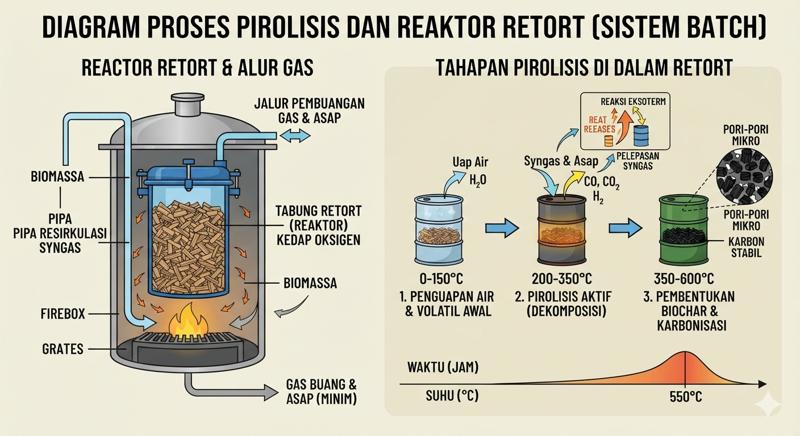
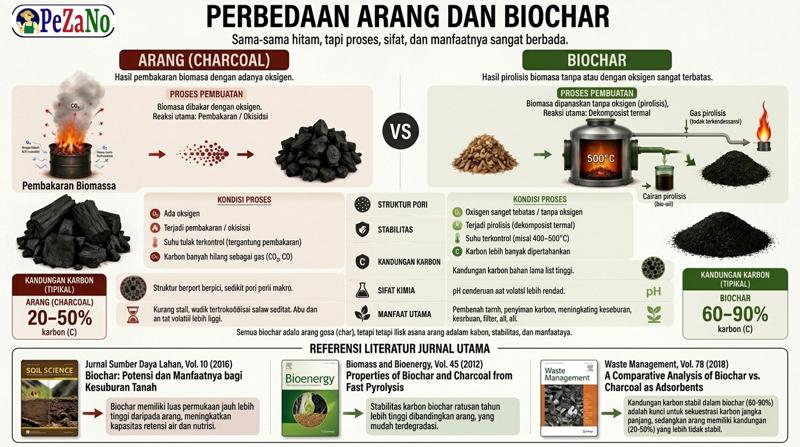
Biochar is a product produced from the pyrolysis process (heating organic materials in an environment with limited oxygen) of organic materials such as wood, agricultural waste, or other organic waste. Biochar can improve soil conditions because it has several beneficial properties:
- Increased water retention: Biochar has a large pore structure, so it can hold more water. This helps reduce water loss due to evaporation and allows the soil to stay moist longer. This increase in water retention is very significant for plants, especially in areas with irregular rainfall or during the dry season.
- Improved soil structure: Biochar helps increase soil aggregation, meaning soil particles stick together to form larger clumps. This improved soil structure provides room for plant roots to develop better, allows for better air exchange, and facilitates water movement in the soil.
- Nutrient storage: Biochar can retain nutrients such as nitrogen, phosphorus, and potassium, as well as other micronutrients in the soil. When fertilizer is applied to the soil along with biochar, the biochar will help prevent leaching of nutrients by rainwater or excessive irrigation, making more nutrients available to plants.
- Provides a place for microorganisms: Biochar provides a good place for soil microorganisms to live and reproduce. These microorganisms aid in the decomposition of organic matter, improve nutrient cycling, and improve overall soil health.
- Carbon storage: Biochar can lock organic carbon in the soil for long periods of time, helping reduce carbon dioxide levels in the atmosphere and contributing to climate change mitigation efforts.
- Reducing soil acidity: Several types of biochar can help neutralize soil that is too acidic (low pH) because of its ability to exchange cations, such as hydrogen cations (H+) with other cations such as calcium (Ca2+) and magnesium (Mg2+).
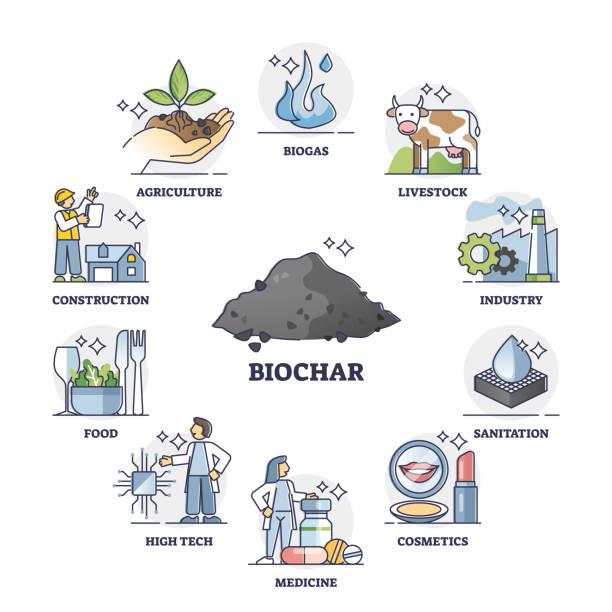
With these various benefits, the use of biochar can help improve soil fertility, increase agricultural yields, and strengthen environmental resilience for sustainable agricultural systems. However, keep in mind that the effects of biochar can vary depending on the type of biochar used, the source of the raw material, and the environmental conditions where it is used. The use of biochar must be supported by appropriate agricultural management in order to obtain optimal benefits.