Increasing Local Plant Productivity with Biochar
Introduction
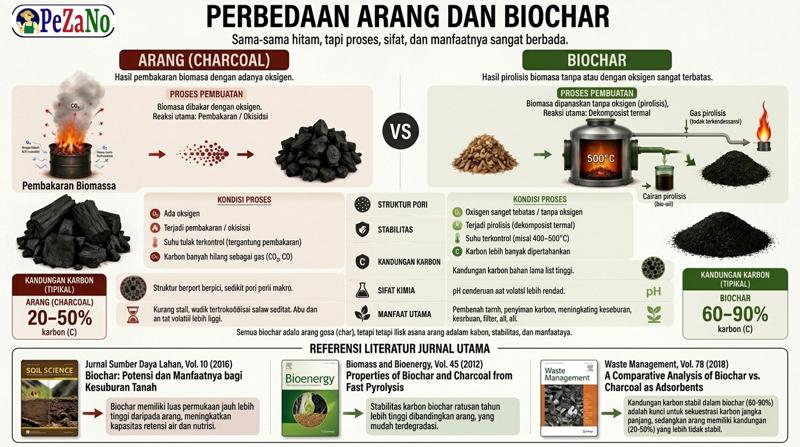
Local crop productivity is often a major challenge for farmers in various regions. Factors such as nutrient-poor soil, fluctuations in rainfall, and pest attacks make crop yields unstable. One agricultural innovation that has proven effective is the use of biochar. With its ability to improve soil quality, biochar is a solution to increase local plant productivity while supporting food independence.
Benefits of Biochar for Local Plants
-
Improving Soil Structure
Many local agricultural soils, especially in rural areas, are structurally dense or nutrient poor. Biochar helps loosen the soil and improves aeration. Loose soil allows plant roots to penetrate deeper, absorbing more nutrients and water. -
Increases Nutrient Retention
Local soils often lack important nutrients such as nitrogen, phosphorus and potassium. Biochar has the ability to store nutrients and release them slowly according to plant needs. This makes plant growth healthier and yields more optimal. -
Supports the Activity of Soil Microorganisms
Biochar provides a habitat for beneficial soil microorganisms, such as nitrogen-fixing bacteria and mycorrhizal fungi. These microbes help the decomposition process of organic material and increase the availability of nutrients for local plants. With more biologically active soil, plants grow faster and productivity increases. -
Reducing the Need for Chemical Fertilizers
With biochar, the soil is naturally more fertile, so dependence on chemical fertilizers can be reduced. This not only reduces production costs, but also helps maintain the balance of the local agricultural ecosystem.
Examples of Application of Biochar to Local Plants
Several farmers in Indonesia have used biochar to increase the productivity of local crops such as:
-
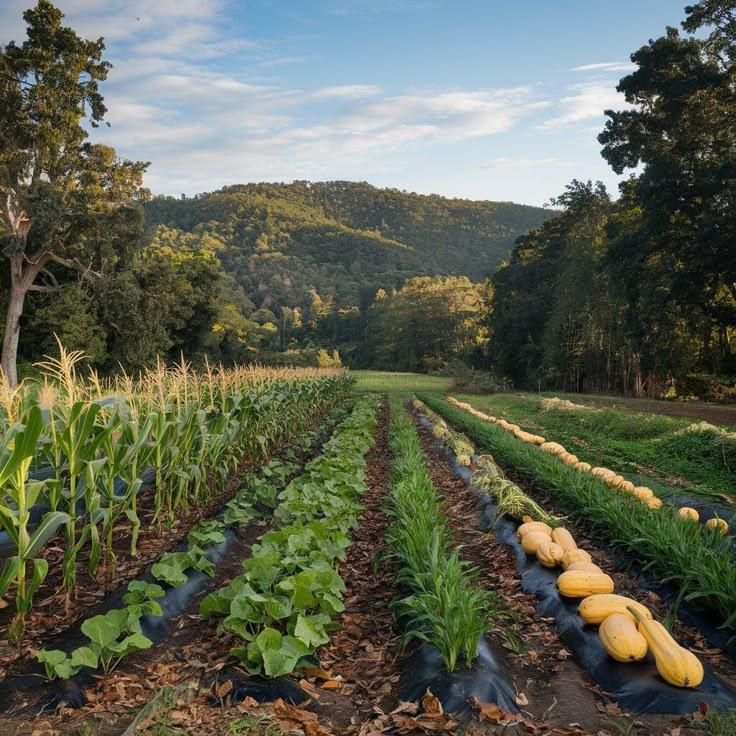
Paddy and Corn: Biochar from rice husks or corn husks is sprinkled on paddy fields and fields. As a result, plants are more resistant to drought and harvests increase by up to 20–30%.
-
Vegetables: Farmers in the highlands use biochar to grow chilies, tomatoes and leaf vegetables. Loose and fertile soil makes plants grow faster and fruit is of higher quality.
-
Tubers: Soil enriched with biochar can increase the production of sweet potatoes and cassava, which are important local foods in many regions.
Practical Strategies to Increase Productivity with Biochar
-
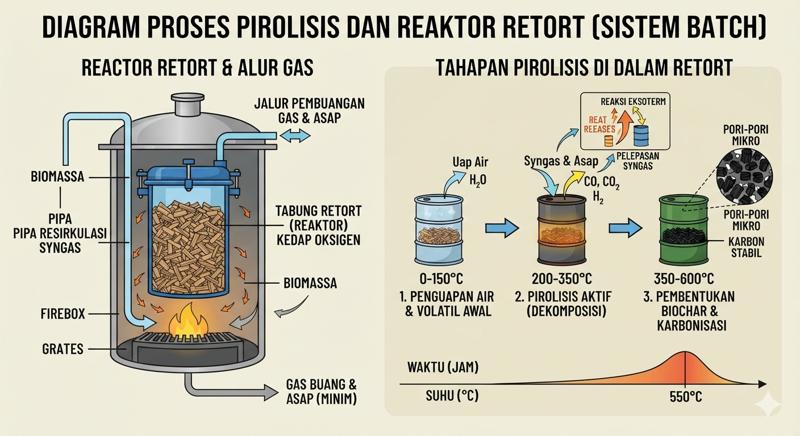
Use of Agricultural Waste: Corn stalks, rice husks and vegetable waste can be processed into biochar so it is more economical.
-
Proper Application: Sprinkle biochar at the beginning of the growing season or mix it with compost for optimal results.
-
Combination with Organic Fertilizer: Combining biochar with organic fertilizer increases nutrient retention and accelerates plant growth.
-
Farmer Training: Education about the production and use of biochar is important for widespread and effective adoption of this technology.
Conclusion
Biochar is the key to increasing the productivity of local plants. By improving soil structure, increasing nutrient retention, and supporting soil microorganisms, biochar makes plants healthier and crop yields more stable. Apart from increasing productivity, biochar also encourages food independence because farmers can utilize their own agricultural waste. With the right strategy, biochar can be a sustainable solution for more productive and independent local agriculture.