Paria Fruit Organic Pesticide
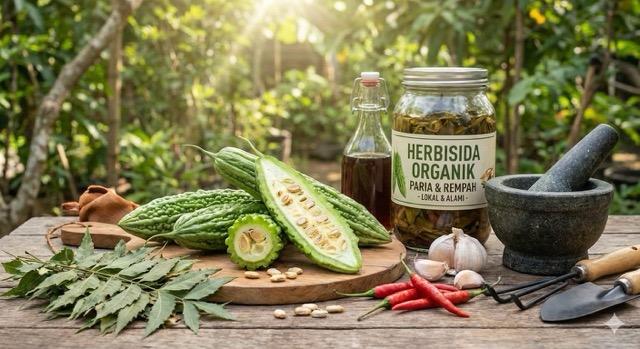
Organic pesticides from pariah fruit are an environmentally friendly solution for controlling plant pests and diseases, especially in organic farming systems. The use of paria fruit, including harvest residues or rotting fruit, not only reduces agricultural waste, but also produces effective, safe and sustainable botanical pesticides.
Through the fermentation process, pariah fruit produces various natural bioactive compounds which function as insecticides and fungicides. These compounds work naturally without leaving dangerous residues, so they are very suitable for application to plants that use organic fertilizers such as pure biochar, liquid smoke, and liquid organic fertilizer (POC).
Active Ingredients of Fermented Paria Fruit
Fermentation of pariah fruit produces two main groups of active compounds, namely insect repellent compounds and fungi and mealybug control compounds.
1. Ingredients that Kill Caterpillars and Insects
There are three main compounds that play a role in controlling caterpillars and insects, namely:
Momordicin
It is a bitter compound typical of bitter gourds which insects really don't like. Momordicin works by disrupting the caterpillar's digestive system so that the insect stops eating and dies in a relatively short time.
Alkaloids
Alkaloids are mildly toxic to insects. This compound affects the nervous system and metabolism of pests, causing caterpillars and insects to become weak, inactive, and then die within 1–3 days after application.
Saponins
Saponin works as a contact poison by damaging the protective layer of the insect's body. As a result, insects become dehydrated and lose their metabolic balance.
These three compounds are synergistically able to suppress caterpillar and insect populations effectively, and results can even be seen within about one day after application.
2. Ingredients that Kill Fungus and Mealybugs
Apart from insects, fermented pariah fruit is also effective in controlling fungi and mealybugs through the following three compounds:
Flavonoids
Flavonoids are antifungal and antibacterial. This compound inhibits the growth of fungal spores and slows their spread on the leaf surface.
Phenolic
Phenolic compounds are able to damage fungal cell walls and disrupt the activity of pathogenic enzymes, so that fungi cannot grow.
Triterpenoids
Triterpenoids work by inhibiting the metabolism of fungi and mealybugs, causing the pathogens to gradually weaken and die.
How to Make Organic Paria Fruit Pesticide
This pesticide is designed to be compatible with organic farming systems. The materials used are:
-
5 kg of cleaned pariah fruit
-
5 liters of water
-
1 liter of molasses
-
100 ml of EM4
Creation steps:
-
Mix pariah fruit, water, molasses, and EM4 in one container.
-
Stir until all ingredients are evenly mixed.
-
Cover the container and store it in a shady place.
-
Let the fermentation process take place for 9–12 days.
-
Fermentation is declared successful if the liquid emits a sweet and sour smell like tape.
How to Apply with Liquid Smoke
To make the pest eradication process faster and more effective, fermented pariah fruit can be combined with liquid smoke. This combination provides a double effect, namely vegetable poison and pest repellent.
Application dosage:
-
15 ml bitter melon fermented liquid
-
5 ml liquid smoke
-
1 liter of water
-
1–2 ml natural liquid soap as adhesive
All ingredients are mixed and stirred until smooth, then sprayed on the plants in the afternoon. Spraying is done once and the results are observed. If the pests are still stubborn, spraying can be repeated once more at a distance of 2 days after the first application.
Organic pesticides from fermented pariah fruit are an effective and environmentally friendly alternative for controlling pests and plant diseases. By utilizing local ingredients and agricultural waste, farmers can reduce dependence on chemical pesticides while maintaining the health of soil, plants and the environment.