IoT Revolution: Transforming Traditional Agriculture into Smart Farming
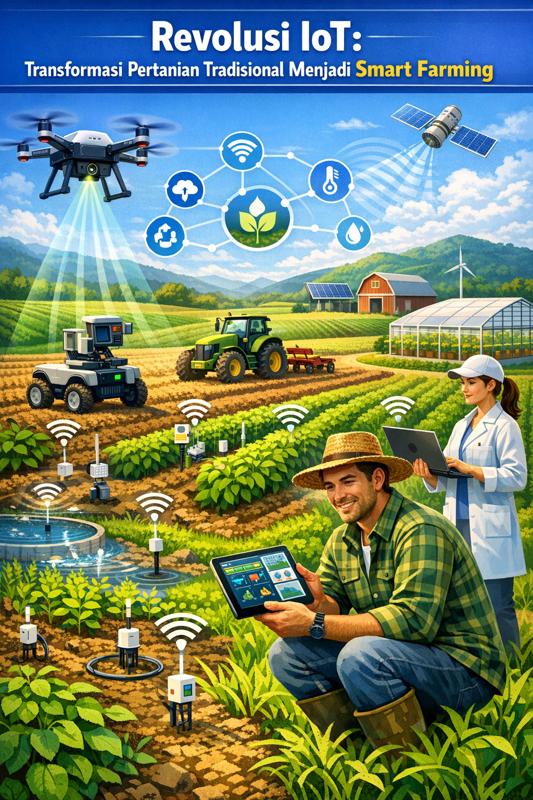
Today's agricultural world no longer relies solely on instinct and manual weather forecasts. Along with the emergence of the industrial era 4.0, Internet of Things (IoT) technology has emerged as a concrete solution for creating a more precise, efficient and sustainable agricultural system. On the Today's Farmers PEZANO platform, the integration of this technology is the main key in modernizing the way we manage land.
What is IoT in Agriculture?
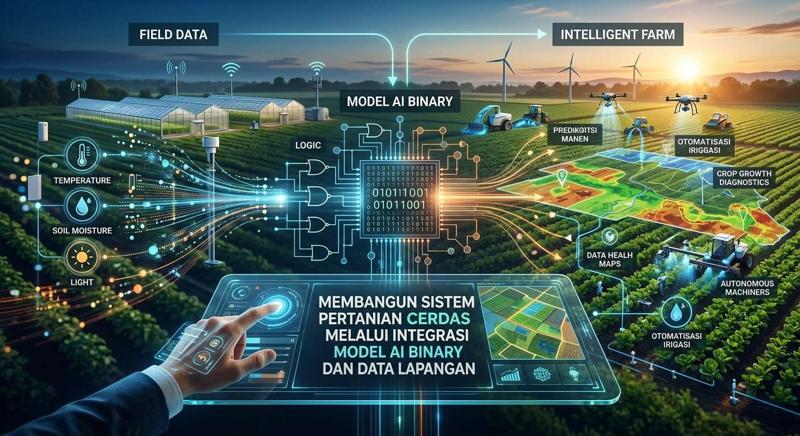
In simple terms, IoT in agriculture involves the use of smart sensors connected to the internet to monitor land conditions in real-time. This sensor can detect various important variables, such as soil moisture levels, environmental temperature, pH levels, and sunlight intensity. The data captured by the sensors is then sent directly to the user's device (such as a smartphone or computer) for analysis.
Main Benefits of Smart Farming
IoT implementation brings significant changes to farmers' work efficiency:
-
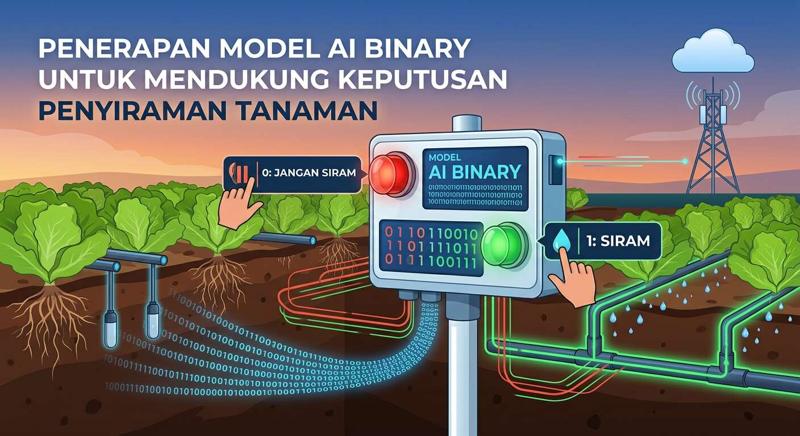
Irrigation Automation: Watering will only be carried out when the sensor detects that soil moisture is below a certain threshold. This is very effective in saving water usage.
-
Precision Fertilization: Farmers can find out which areas are deficient in nutrients, so that fertilizer application can be more targeted and not wasted.
-
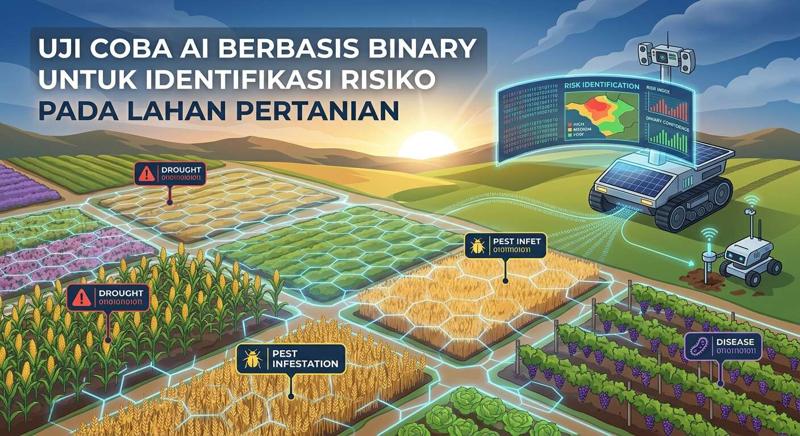
Pest Early Warning: Environmental sensors can help predict the appearance of pests based on weather conditions, so preventive steps can be taken more quickly.
The Future is in Farmers' Hands
With IoT, agriculture is no longer a speculative job. All decisions are taken based on accurate data. This not only increases the volume of harvest, but also the quality of the product produced. Through a management dashboard like this, farmers can monitor the entire land ecosystem in just one hand.
Conclusion IoT implementation is a long-term investment for food security. By switching to Smart Farming, we help local farmers to be more competitive in the global market, while preserving nature through more measurable use of resources. Let's start this digitalization step for a more advanced Indonesian agriculture.