Slow Flow, Big Change: When Liquid Energy Becomes a Source of New Life
If you have heard the word bio, perhaps what you imagine is organic fertilizer or green energy.
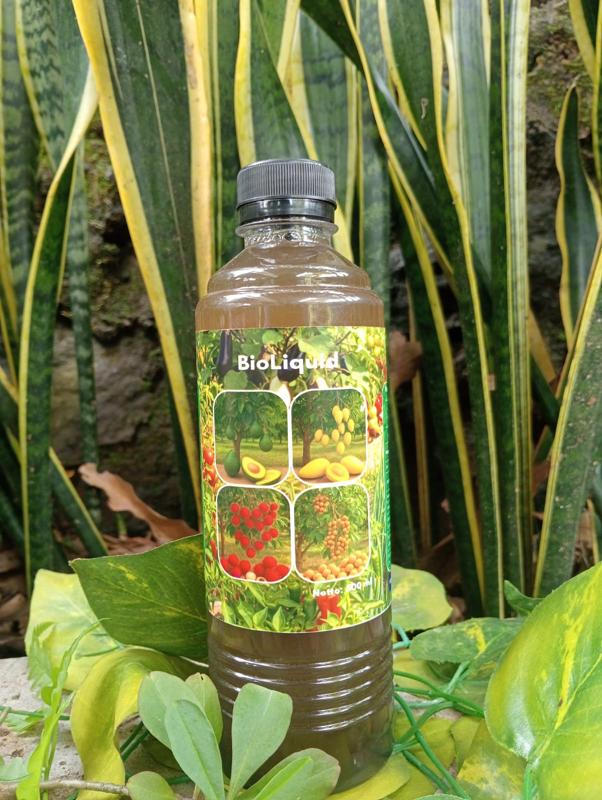
But there is one innovation that often goes unnoticed even though its potential is enormous: bioliquid — liquid energy born from the remains of life.
What is Bioliquid?
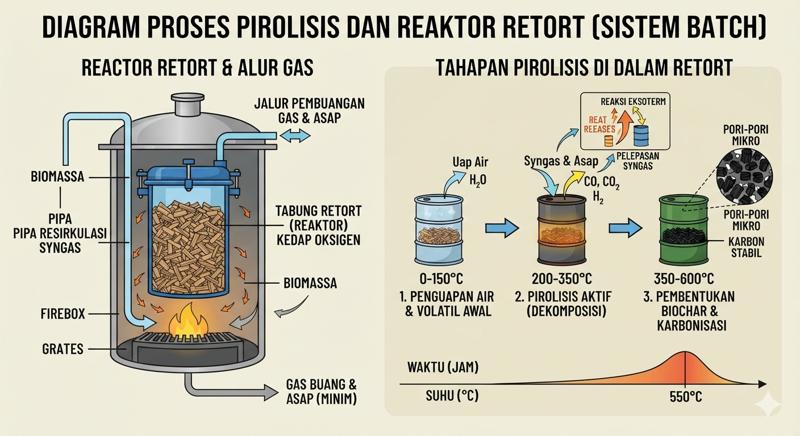
Bioliquid (or often called bio-oil) is a liquid resulting from the pyrolysis process, namely the combustion of organic materials without full oxygen.
The raw materials can be agricultural waste, wood dust, dry leaves, fruit peels, or used oil — Everything that was once alive can be converted into new energy.
The result? A thick, blackish brown liquid that is rich in carbon, can be stored for a long time, and has many functions — from soil care to fuel replacement.
How Does It Work?
Imagine leftover mango twigs or corn stalks that are usually burned.
Instead of becoming smoke, the material is heated at a high temperature without air (around 500°C).
This process breaks down the organic structure into three parts:
- gas (can be reused for energy),
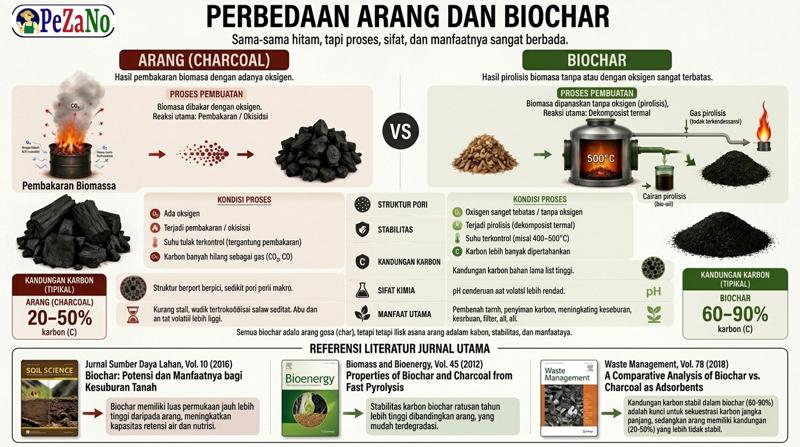
- charcoal (biochar),
- and fluids — this is bioliquid.
Bioliquid can be stored and used at any time.
If returned to the soil, it enriches microbial life and increases water absorption.
If processed further, it could become a source of clean energy to replace fossil fuels.
Uses of Bioliquids in Agriculture and Plants
Not only for energy, bioliquid has extraordinary effects for agriculture — even for fruit trees such as mango, durian, banana, and avocado
-
Natural Soil Fertilizer
The carbon and organic compounds in bioliquid help improve soil structure, making it more loose and alive.
Tree roots become stronger and absorb nutrients more easily. -
Stimulates Leaf and Fruit Growth
Bioliquid can be used as a foliar spray solution.
The liquid nutrition helps the leaves be greener, increases photosynthesis, and the fruit yields are bigger and naturally sweeter. -
Natural Protection from Plant Diseases
The organic acid compounds in bioliquid are mild antimicrobial, helping to protect roots from pathogenic fungi.
Plants become more stress resistant and recover more quickly during dry seasons. -
Supporting Sustainable Agricultural Systems
By using bioliquid, farmers can reduce dependence on chemical fertilizers.
All agricultural waste can return to the soil as a source of new life energy.
Off-Agricultural Uses of Bioliquids
Bioliquid doesn't just stop at gardens or rice fields.
This liquid turns out to have many other potentials that make life more green and efficient:
-
Natural Fragrance or Cleaning Raw Materials
Once distilled, bioliquid can produce an extract with a distinctive aroma of wood or dry leaves — suitable for natural soap, air freshener, or organic-based disinfectant liquid. -
Liquid Activated Carbon Basic Ingredients
In small industries, bioliquid is used to make liquid activated carbon which is used in water filters and natural odor removers — environmentally friendly and free of synthetic ingredients. -
Mixtures for Environmentally Friendly Briquettes and Lubricants
Some alternative energy craftsmen mix bioliquid into biomass briquettes to make it easier to ignite.
Apart from that, the compounds in bioliquid can also be processed into natural lubricants for small machines and agricultural tools. -
Environmental Balancing in Critical Areas
Bioliquid can be sprayed on barren land or ex-mining areas to help reactivate soil microbes.
Within a few months, the dead soil can begin to grow small vegetation again. 🌱
Energy from Remnant, Hope for the Future
The coolest thing about bioliquid is its philosophy:
from residue that is considered useless, energy emerges that gives life again.
If every village could process organic waste into bioliquid,
then we not only create clean energy, but also build a new life cycle that is more nature-friendly.
Conclusion
Bioliquid is not just fuel, but life energy — which can breathe new life into soil, plants, and even technology.
From this small drop of liquid, there is huge potential to change the way we treat waste and nature.
Because sometimes, what changes the world isn't what burns the hardest,
but which flows slowly, giving a big impact in silence.
Slow Flow, Big Change.